All Categories
Featured


Preventing Soil Erosion On Commercial Development
Table of Contents
Native species are naturally adjusted to the Midwest's soil, rains, and temperature level swings. They require less water, fertilizer, and overall upkeep. Native plants likewise support regional pollinators, enhance soil health, and develop more durable landscapes that can deal with whatever from summertime heat to harsh winters. For business and houses alike, native planting is one of the most effective ways to build a sustainable landscape that looks excellent and works even much better gradually.
Extremely drought-tolerant and low upkeep, it adds motion and structure to any landscape. Purple Coneflower (Echinacea) Among the most recognizable native perennials, featuring vibrant purple-pink blossoms throughout summertime. It's highly resilient, attracts pollinators, and thrives in hard conditions with minimal care. Wild Bergamot (Bee Balm) A pollinator preferred with unique lavender-pink flowers and a light, herbal scent.

Prairie Dropseed A fine-textured native lawn known for its soft, fountain-like shape and subtle fragrance when in blossom. It supplies tidy structure during the season and exceptional golden color in the fall. Serviceberry (Tree) A versatile native tree offering multi-season interest with white flowers in early spring, edible berries in summer season, and strong fall color.
They do help lower activity, especially when used properly. Use these plants in clusters near seating locations, not scattered arbitrarily.
Both release strong fragrant oils that discourage mosquitoes when brushed or in warm weather. Basil provides green foliage with periodic small flowers and is an annual, while rosemary has needle-like foliage with subtle blue blooms and is usually treated as an annual in Chicagoland.
Managing Ground Erosion in Commercial Development
It has high, intense green grassy blades and is an annual in colder environments like Illinois. A terrific landscape isn't simply about what you plant. It has to do with how you put it together. The ideal landscape design method makes all the distinction. Thoughtful design not only enhances curb appeal however likewise reduces long-term costs, replacements, and maintenance.
Group Plants in Masses Instead of spreading individual plants, install them in groups of 3, 5, or more. Plant, Right Location Match plant choices to sunlight, drainage, and soil conditions.
Landscape design patterns in 2026 focus on effective landscapes that are developed around real-world usage, not simply appearance. The finest landscapes don't just plant more, they plant smarter. The landscapes that stand apart today are the ones developed with objective, where every plant has a function beyond just filling space.
Done right, a landscape stops being something you maintain and ends up being something that regularly provides worth, year after year.
Sustainable Site Architecture Trends in California
The landscaping market is evolving quick, with homeowners and companies alike embracing fresh ideas that combine beauty, sustainability, and functionality. As we head into 2025, it's clear that landscapes are no longer practically curb appealthey have to do with developing outside spaces that motivate, save resources, and add long-term value. Whether you're a homeowner looking to elevate your lawn or a business looking for a commercial landscaping company to refresh your home, these are the leading 2025 landscaping trends you'll wish to know.
In 2025, both homeowners and services are prioritizing environment-friendly practices like drought-tolerant plantings, native species, and smart irrigation systems. Anticipate to see more patio areas, outdoor kitchens, fire pits, and seating areas created for year-round enjoyment.
Group Plants in Masses Rather of scattering specific plants, install them in groups of 3, 5, or more. Mass planting develops more powerful visual effect and a cleaner, more intentional style. Right Plant, Right Place Match plant selections to sunshine, drainage, and soil conditions. This lowers plant stress, enhances development, and considerably cuts down on replacements and upkeep.
Landscape style patterns in 2026 concentrate on effective landscapes that are built around real-world usage, not simply appearance. The best landscapes don't just plant more, they plant smarter. The landscapes that stand out today are the ones developed with objective, where every plant has a role beyond simply filling space.
Modern Corporate Grounds Redesign Trends
Done right, a landscape stops being something you keep and becomes something that regularly delivers value, every year.
The landscaping industry is progressing fast, with house owners and organizations alike embracing fresh concepts that combine charm, sustainability, and functionality. As we head into 2025, it's clear that landscapes are no longer almost curb appealthey have to do with creating outdoor areas that inspire, save resources, and include long-lasting value. Whether you're a homeowner looking to raise your lawn or a business looking for a commercial landscaping company to revitalize your home, these are the leading 2025 landscaping patterns you'll desire to understand.
In 2025, both homeowners and organizations are prioritizing eco-friendly practices like drought-tolerant plantings, native types, and clever watering systems. These choices not only minimize water and maintenance costs but also support local ecosystems. Outdoor spaces are becoming real extensions of indoor living. Anticipate to see more patio areas, outdoor kitchen areas, fire pits, and seating areas developed for year-round pleasure.

Latest Posts
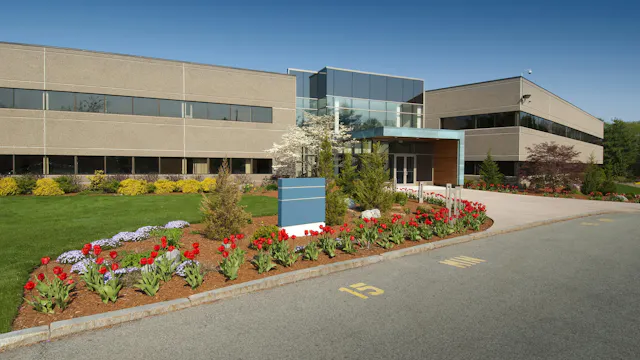
Benefits of Sustainable Site Architecture in California
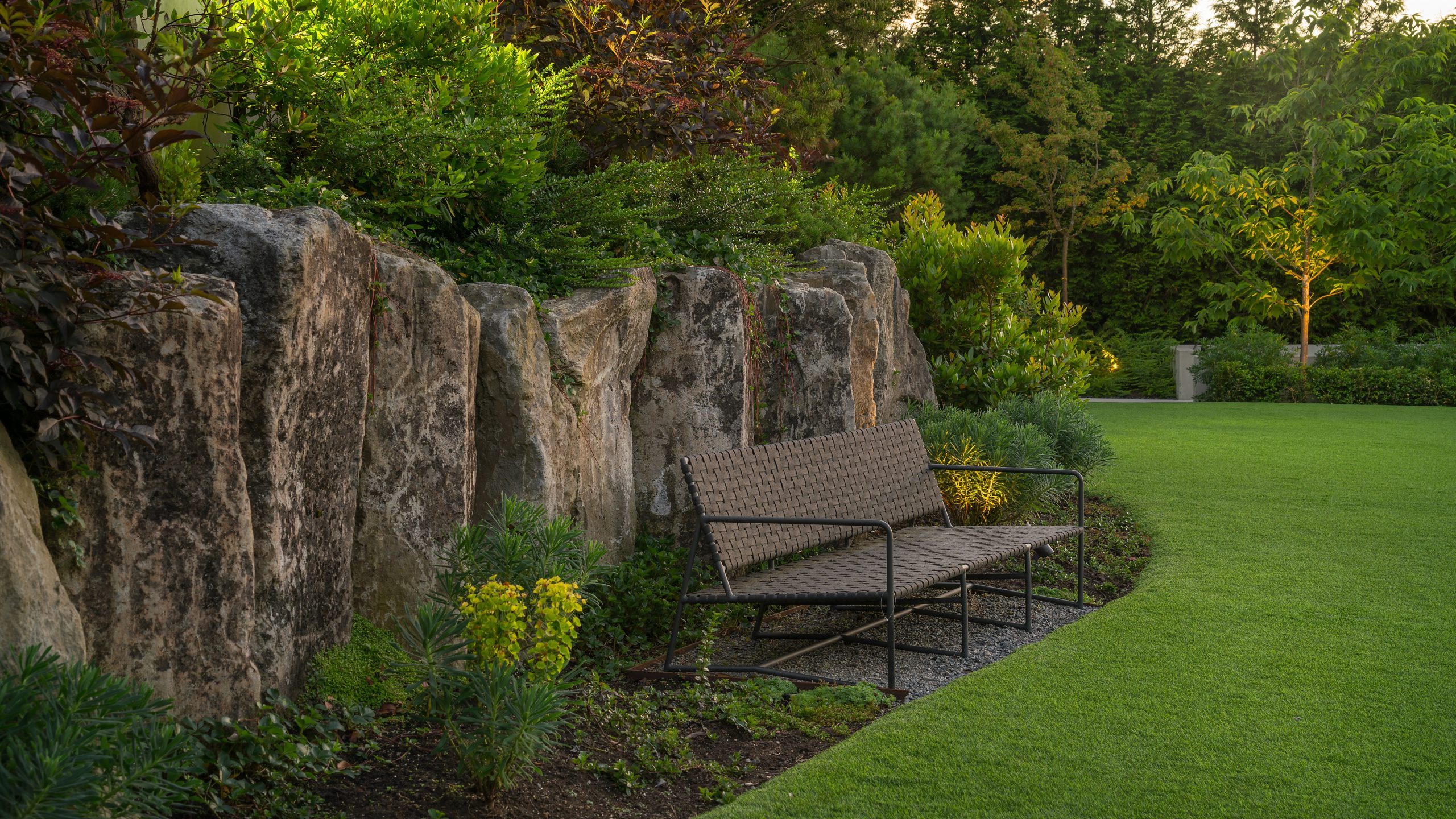
The Economic ROI of Eco-Friendly Renovation

Innovation Through Business Park Redesign